

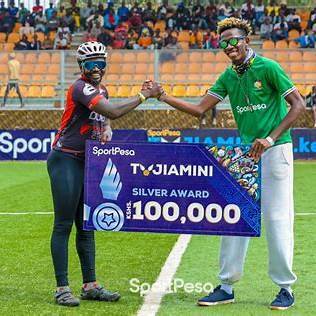
Personal branding for athletes focuses on building a clear public identity that helps fans, sponsors, media and the wider sports community understand who you are. Performance remains central to an athlete's career, but your values, story, personality, communication and conduct also shape how people remember and evaluate you.
A strong athlete brand is not a fabricated personality. It is a consistent way of communicating your sporting journey, achievements, goals, interests and community involvement. For emerging athletes, especially those with limited media coverage, a professional digital presence can also make it easier for potential partners and supporters to discover your work.
For Tujiamini's broader view of athlete branding, read Athlete Branding.
READ ALSO: Role of Sports Branding and Sponsorship– Tujiamini
Personal branding for athletes means communicating who you are as an individual, what you stand for and what makes your sporting journey distinct. It can include your sport, achievements, personality, values, goals, community involvement, content and the way you interact with people online and offline.
Your athlete brand should answer a few simple questions:
• Who are you as an athlete?
• What sport or discipline do you represent?
• What do you stand for?
• What have you achieved?
• What are you working toward?
• What impact do you want to make beyond competition?

A strong athlete brand can help you gain recognition beyond individual competitions and make your sporting journey easier to understand. It gives fans, coaches, organisations, media and potential sponsors a clearer picture of your progress and what you represent.
Personal branding may help you:
• Build recognition among fans and sports communities.
• Tell your sporting story in your own voice.
• Show achievements and progress over time.
• Create stronger connections with your audience.
• Demonstrate professionalism and consistency.
• Present your community involvement and wider interests.
• Prepare for sponsorship and partnership conversations.
• Build a reputation that can continue beyond one event or season.
Personal branding does not guarantee sponsorship or career success. It can, however, make your work easier to discover and give potential partners better information when deciding whether you are a good fit.
Begin by defining what you want your athlete brand to represent. Think about your sport, strengths, personality, values, ambitions and interests outside competition. Education, community activities, hobbies or work with young people can contribute to your wider story when they genuinely reflect who you are.
Ask yourself: What do I want people to remember me for? The answer can help determine which achievements, stories and activities should feature most consistently in your public communication.
Athletes communicate with different audiences, including fans, fellow athletes, coaches, sports organisations, media and potential sponsors. Understanding these groups can help you decide what information is most useful to share.
A training update may interest fans and coaches, while a potential sponsor may also want to understand your audience, achievements, values, professionalism and community involvement. You should not communicate in an artificial way; the goal is to make your real journey easier to understand.
Talk about how you began, what your training involves, the challenges you have experienced and the milestones you have reached. You can also share lessons from setbacks, community activities and future ambitions.
Authenticity matters. You do not need to invent dramatic experiences to make your story interesting. Your real progress, routines, choices and learning can provide enough material for useful content.
Social media gives athletes a direct way to communicate with fans and potential partners, but you do not need to use every available platform. A few active and relevant channels are usually more useful than many accounts that are rarely updated.
Choose platforms where your audience is active, your sport has a community, you can create content consistently and potential partners can discover your work.
For more platform and visibility guidance, see Athlete Branding Tips for Young Kenyan Talent.
Use several content pillars so your online presence is not limited to competition days. This helps people understand both your performance and the work behind it.
• Training and preparation.
• Competition highlights and results.
• Recovery, learning and preparation routines.
• Educational sports content.
• Behind-the-scenes moments.
• Achievements and milestones.
• Community activities.
• Personal interests that genuinely fit your public identity.
Your accounts do not need to look corporate. They should, however, communicate information accurately and consistently. Keep your profile details current, use a clear biography, share quality photographs or videos where possible, and think about how public content contributes to your wider athlete identity.
Professionalism also includes how you respond to audiences, media, organisers and partners. A personal brand is shaped by behaviour as well as by posts.
A professional athlete profile gives sponsors, sports organisations, media and partners one place to understand who you are. A short profile can live on a website or social platform, while a more detailed media kit can be shared when approaching sponsors.
Your profile or media kit can include:
• Full name and contact details.
• Sport, discipline, club or team where relevant.
• Short personal introduction or athlete bio.
• Key achievements and competition history.
• Current goals and development priorities.
• Training and development journey.
• Social media links and audience information where useful.
• Relevant media coverage, interviews or features.
• Community activity or projects.
• Quality photographs you have permission to share.
• Current partnership or sponsorship opportunities where appropriate.
Keep the profile current as your career develops. New competitions, achievements, partnerships, qualifications and community projects can change what potential partners need to know.
Athlete sponsorship is usually about more than sporting ability alone. A potential partner may want to understand who you reach, what you represent, how professionally you communicate and what a partnership could realistically deliver.
Your personal brand can help communicate:
• Sporting achievements and proof of progress.
• Audience and engagement.
• Professionalism and reliability.
• Community involvement.
• Content capabilities.
• Personal values and brand fit.
• Potential partnership ideas or sponsor deliverables.
If you are preparing to approach sponsors, organise this information before making the request. A clear profile makes it easier to write a specific sponsorship proposal instead of sending a generic appeal for support.
Use the Tujiamini sponsorship proposal template when you are ready to turn your athlete profile into a structured sponsorship request.
Think beyond asking for financial support and consider what you can contribute to a partnership. Depending on the arrangement, this could include social media content, event appearances, community activities, training or competition content, brand ambassador activity or campaign participation.
The aim is mutual value. Explain what support you need, how it will contribute to your sporting goals and what you can realistically offer in return. Do not promise national exposure, large audience numbers or other deliverables you cannot prove or control.
For the next stage of the commercial journey, read Athlete Partnerships.
A personal brand is not finished after you create a profile or begin posting. Review it periodically so that the public information still reflects your current career and goals.
Useful checks include:
• Is your athlete bio current?
• Are your recent achievements and competition results easy to find?
• Do your social profiles use consistent names, images and contact information?
• Are your main content topics still aligned with your sport and values?
• Have you updated your media kit, audience figures and media coverage?
• Are sponsor or media enquiries reaching the right contact person?
• Are you tracking which types of content create meaningful engagement rather than only follower counts?
• Posting without a clear purpose.
• Using inconsistent names, bios or messaging across platforms.
• Copying another athlete's personality or content style.
• Focusing only on competition results and showing nothing of the work behind them.
• Using poor, misleading or unverified content.
• Making unrealistic claims about achievements, audience or sponsor value.
• Letting your athlete profile or media kit become outdated.
• Accepting partnerships that conflict with your values or public identity.
• Ignoring image, content-usage or deliverable terms when entering a commercial partnership.
The objective is not to create a perfect online personality. It is to be a reliable and authentic representative of your sporting journey.
Tujiamini focuses on grassroots talent and community impact. Its athlete-branding and sponsorship resources discuss financial and in-kind support, training, guidance, mentorship, visibility, digital footprint, professional alignment and deliverables beyond competition.
Programme eligibility and application requirements can change, so athletes should use the current Tujiamini Apply and Rules pages rather than relying on old award amounts or past application windows.
If you are preparing to apply, review the current Tujiamini rules and then use the official application page when the relevant category is open.
• Clear athlete bio that explains your sport, level and goals.
• Consistent name, profile photo and contact information across key platforms.
• Updated record of achievements, competitions and milestones.
• Three to five content pillars you can maintain consistently.
• Professional photographs and videos you have permission to use.
• Current social-media and audience information where relevant.
• One sponsor-ready profile or media kit.
• Clear statement of the support or partnership you are seeking.
• Realistic sponsor benefits or deliverables you can actually provide.
• Links to media coverage, community activity or proof of work.
It is the process of developing and consistently communicating an athlete's identity, values, achievements, personality, story and goals across public platforms.
It can help athletes become easier to discover, communicate their story, connect with audiences and give potential partners a clearer picture of who they could work with.
Start by defining your identity and values, understanding your audiences, telling your real sporting story, choosing relevant platforms and keeping a professional athlete profile up to date.
No. It is usually more useful to maintain a few relevant and active platforms where your audience and sports community are present.
A media kit can include your bio, sport, achievements, current goals, quality photographs, social links, audience information, media coverage, community work, contact details and partnership opportunities.
It can improve visibility and sponsor readiness, but it does not guarantee sponsorship. Sponsors also consider performance, audience fit, professionalism, values, proof and the proposed partnership.
Update it whenever important information changes, such as new results, achievements, partnerships, media coverage, goals or contact details. A periodic review also helps keep everything consistent.
Review the current Tujiamini Rules and Apply pages. The official programme currently requires applicants to be over 18 and to follow the live submission requirements, including the application video where applicable.
Personal branding for athletes starts with a clear and authentic identity. Sporting achievements are important, but so are your story, values, personality, community involvement, digital presence and the way you communicate your goals.
Build the brand around real evidence, keep your athlete profile current and make it easy for fans, organisations and potential partners to understand your journey. When you are ready to seek structured support, explore the current Tujiamini application opportunities.
READ ALSO: Athlete Branding Tips for Young Kenyan Talent | Tujiamini